The Knife of Westerplatte - forged with pride
History moves on, but the memories remain in our hearts and in our minds.
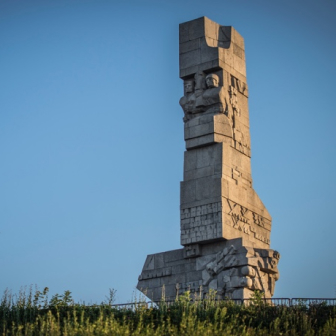
When the Nazi Germany raided Poland 81 years ago, no one expected that a small Gdańsk's facility will become an icon of heroism and bravery. The Battle of Westerplatte inspired generations of Poles and does it up to this day.
Learn the facts that inspired world-renowned polish knife-maker to forge a beautiful and unique tool. Get to know the story of the Knife Forged with Pride!
A symbolic role of Westerplatte
When on January 18, 1926 at 2 p.m., the "ORP Mewa" minesweeper arrived at the Westerplatte, granted to Poland by the League of Nations, with the first military unit that began guard duty on this small peninsula, it was known that their mission would be symbolic. It was supposed to be a clear Polish accent in the Free City of Gdańsk, about which there was a dispute between Poland and Germany.
At the time, however, no one expected the rank to which this symbol would grow in the future.

Stage I: The Plan
When on August 25, 1939, the German training ship "Schleswig-Holstein" arrived in Gdańsk on a so-called "courtesy visit", the Germans' plan was simple: to crush the Polish military outpost in Westerplatte the very next day. To destroy the symbol of Polish independence in the Free City of Gdańsk as soon as possible. However, history turned out differently, due to the signing of alliance agreements between Poland and Great Britain. Hitler had to postpone the attack by a few days.

Stage II: the Outbreak
On Friday, September 1, at 4:48 in the morning, the German battleship "Schleswig-Holstein" opened fire from the artillery turret. At that time, the 240 kg missiles fell on the Polish outpost, inflicting its first serious damage and injuring and killing the first Polish soldiers. However, the Nazis couldn't break the morale of the defenders of Westerplatte, nor shatter their bravery.

Stage III: fight until the last breath
Adolf Hitler and the Gdańsk gauleiter Albert Forster hoped for a swift and easy victory. The Germans, having no mercy, carried out intense fire from the ship "Schleswig-Holstein" and two smaller ships Kriegsmarine (T-196 and "Von Der Groeben"), heavy air raid of about 60 bombers, fire from howitzers and mortars, incessant assaults and unconventional actions like trying to set fire to a forest with tankers. Polish Defenders accomplished the impossible, putting up incredible resistance to the invader for 7 days, becoming a symbol of courage and bravery for the next decades.
The story of a knife
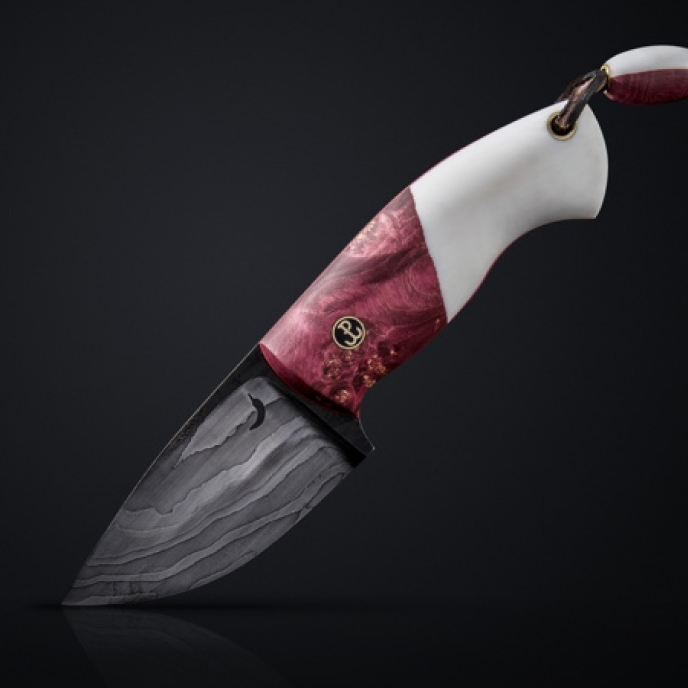
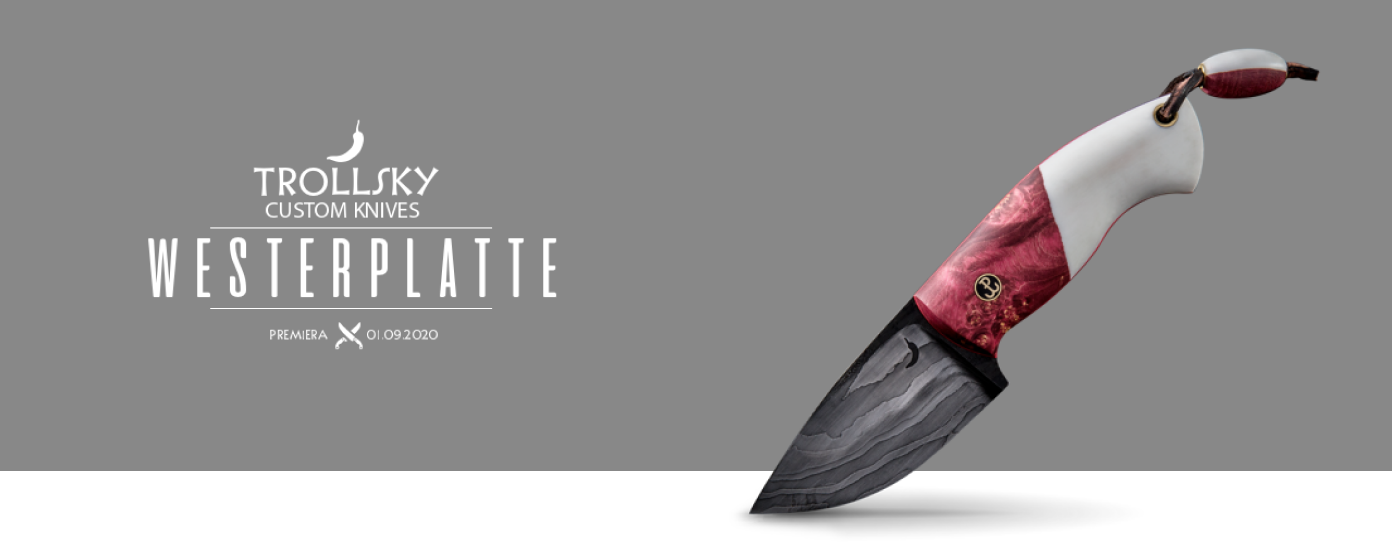
Can a blade, barely made and still warm from forging, have its history? Can it carry a tale that goes back a long way to the times of World War II? Trollsky, a world-famous Polish knife-maker, asked himself these questions when he decided to form his new work from a WW2 scrap.
He wanted to make a knife to honour the legendary defenders of Westerplatte.


Stage I: The Knife's Concept
Trollsky isn't probably the first one to try to create a knife referring to history and historical symbolism. Not everyone is able to use a real war scrap for that kind of project though and through hard, arduous work in the forge form a blade out of it. A knife that not only tells a story but also encapsulates somehow the magic of the past.

Stage II: Forging
Working with steel that's been lying in the ground for decades, subjected to various weather conditions is not the easiest one. But it's also not completely impossible. Especially if it's guided by the worthy goal of commemorating history. Then the knife-maker is even more willing to strike a hammer. The sparks glistening in the dark room of the forge reminds of the fire of old fights.

Stage III: Final touches
When you mold steel you always have to put a lot of energy into it. But when you form steel which history goes back to those chapters in your country's history that you are especially proud of, each strike of a hammer is like a heartbeat. It reminds us that man's life is like a bridge between the past, the present and the future that's being created every day. This knife was forged in glory and for the glory of people who had the courage to stand up for their values.
The history's still vivid
Our story doesn't end, it's still going. After World War II, we didn't have any large scale conflicts in Poland, but our soldiers still take part in various military operations around the world, bringing peace and freedom to others. Therefore, together with the Stratpoints foundation, we support our veterans, paying them a kind of tribute for their services to the Homeland. You can support them as well.
Take part in the auction of a knife forged in glory by Trollsky himself. All proceeds obtained through the auction will be donated to the statutory purposes of the Stratpoints Foundation.